For those of you who are interested in such things, environmental management at Unisa has an elective module of Archaeology. As a lot of my interests coincide with Heritage, human studies and the history of the environmental problems on the sites which I am interested in working on, I thought this would be a good opportunity to learn something about how we determine what people did in the past and then try and tie that into the work I am doing.
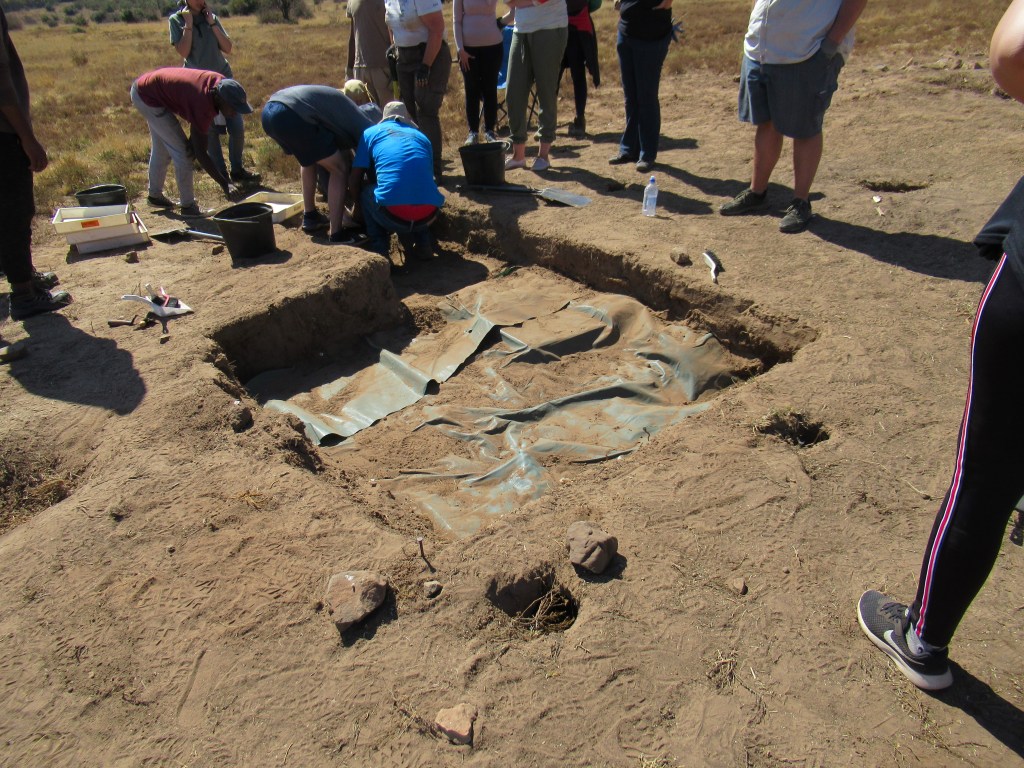
Therefore, when Unisa offered the chance to go on an archaeology dig I jumped at it. I was there last week and we were excavating the site of a mission station that existed in the Free State over 200 years ago. Besides finding the usual and expected animal bones, charcoal, ceramics, local pottery, glass, building material such as brick, the occasional buttons and plenty of beads, we also found the metal remains of wagons.
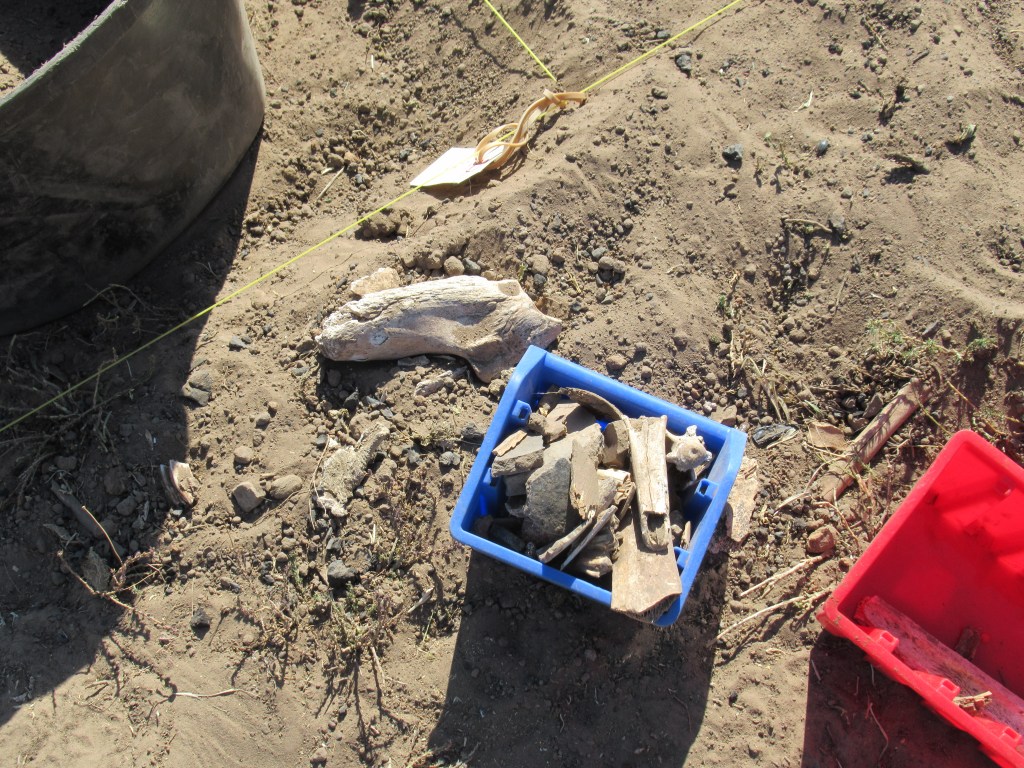
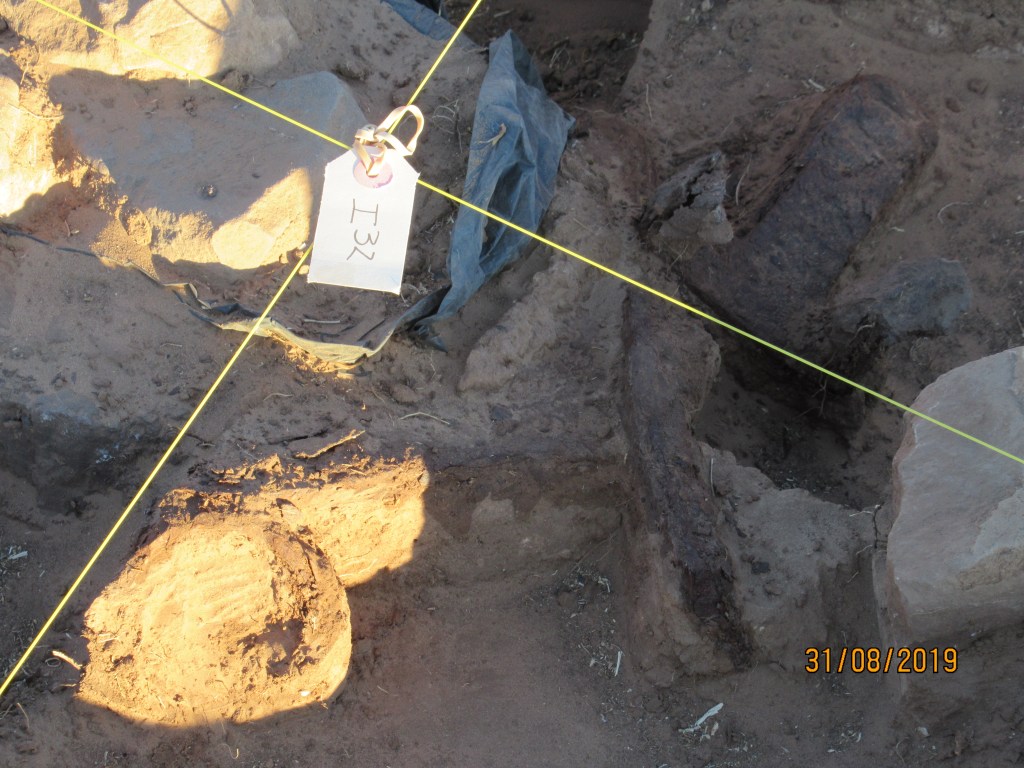
The outline of structures were there, such as that of the church, some rocks that would have been used to make the kitchen enclosure, next to which I was working in the midden, and other scattered foundation stones which would have been used in other structures such as the missionary’s house and schoolroom, etc. However, much of the stone foundations we suspect were removed and plundered since the closure of the mission.
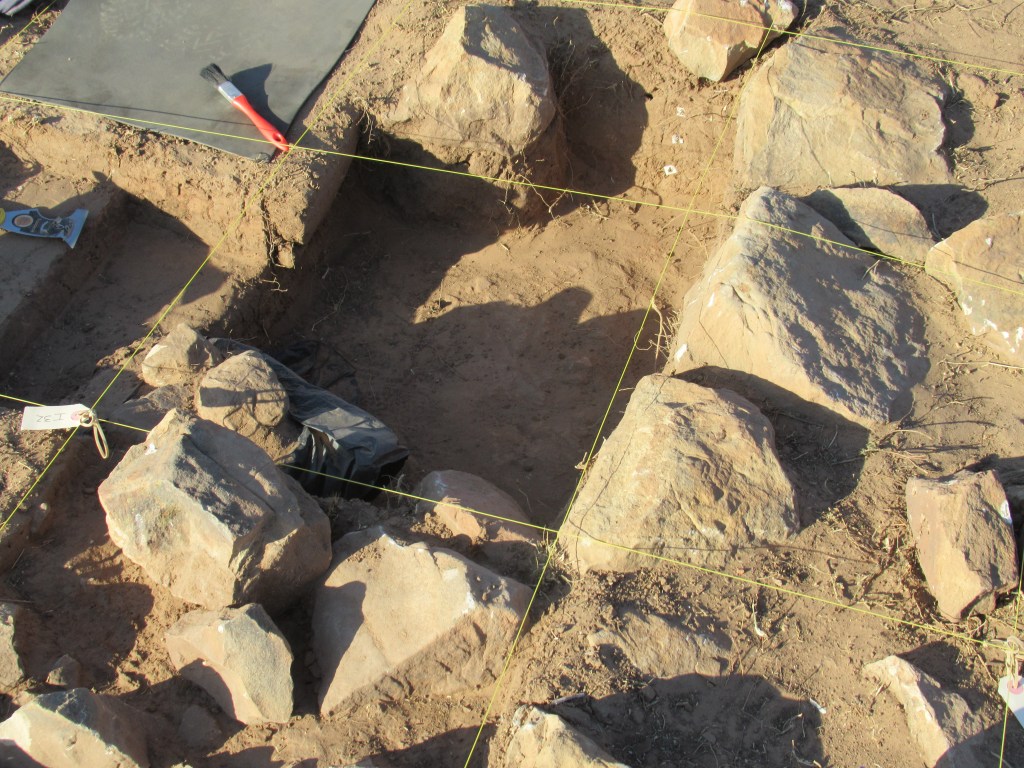
All in all, I learnt a lot about identifying remains, how they are removed from the soil and processed and classified, marked and stored. I will definitely enjoy going on a dig again if I get the opportunity. It was hard work but great fun and the group was great to work with.
So that’s what I was doing last week and why I haven’t been on-line. Hope you weren’t too disappointed.


